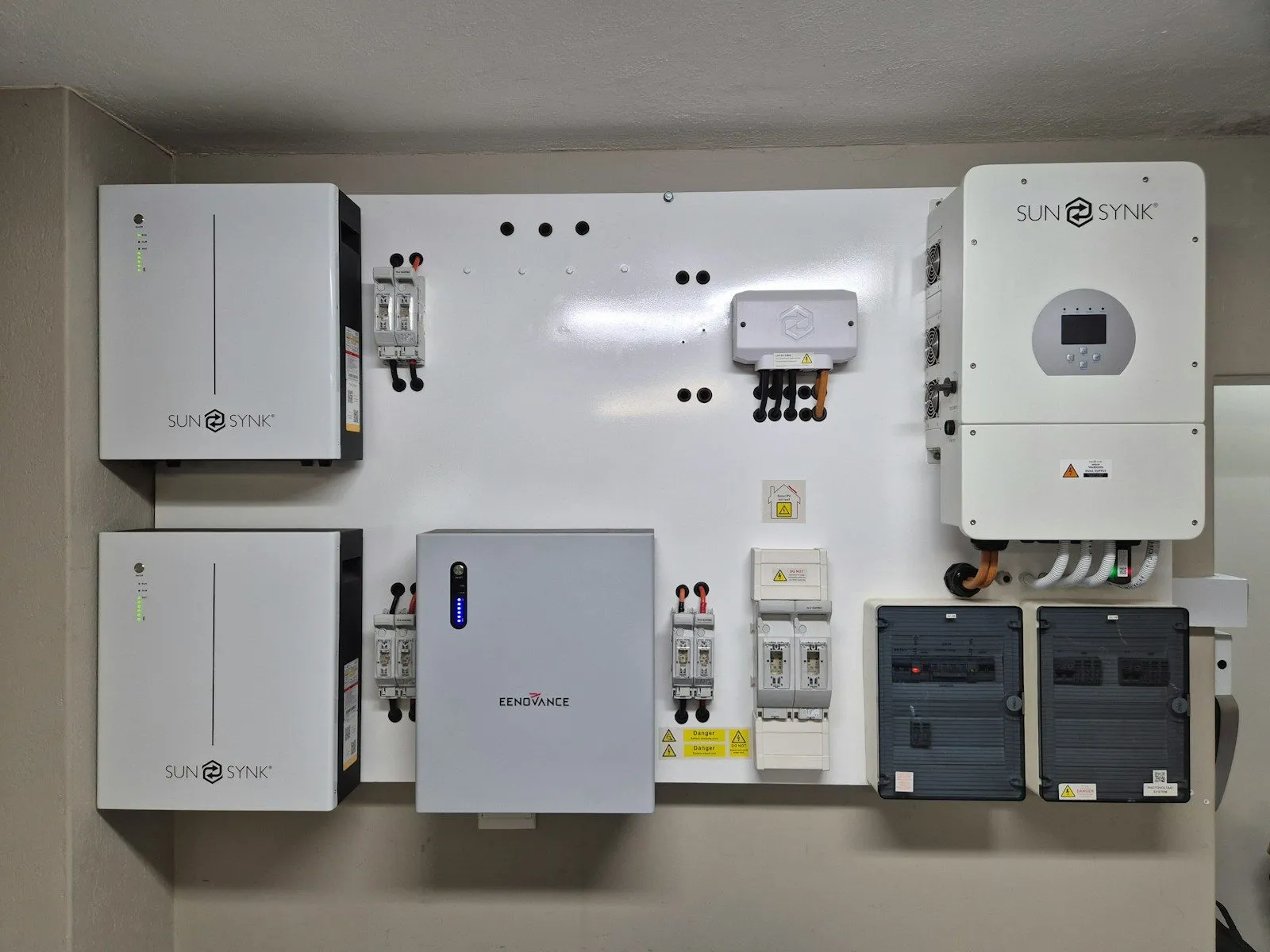
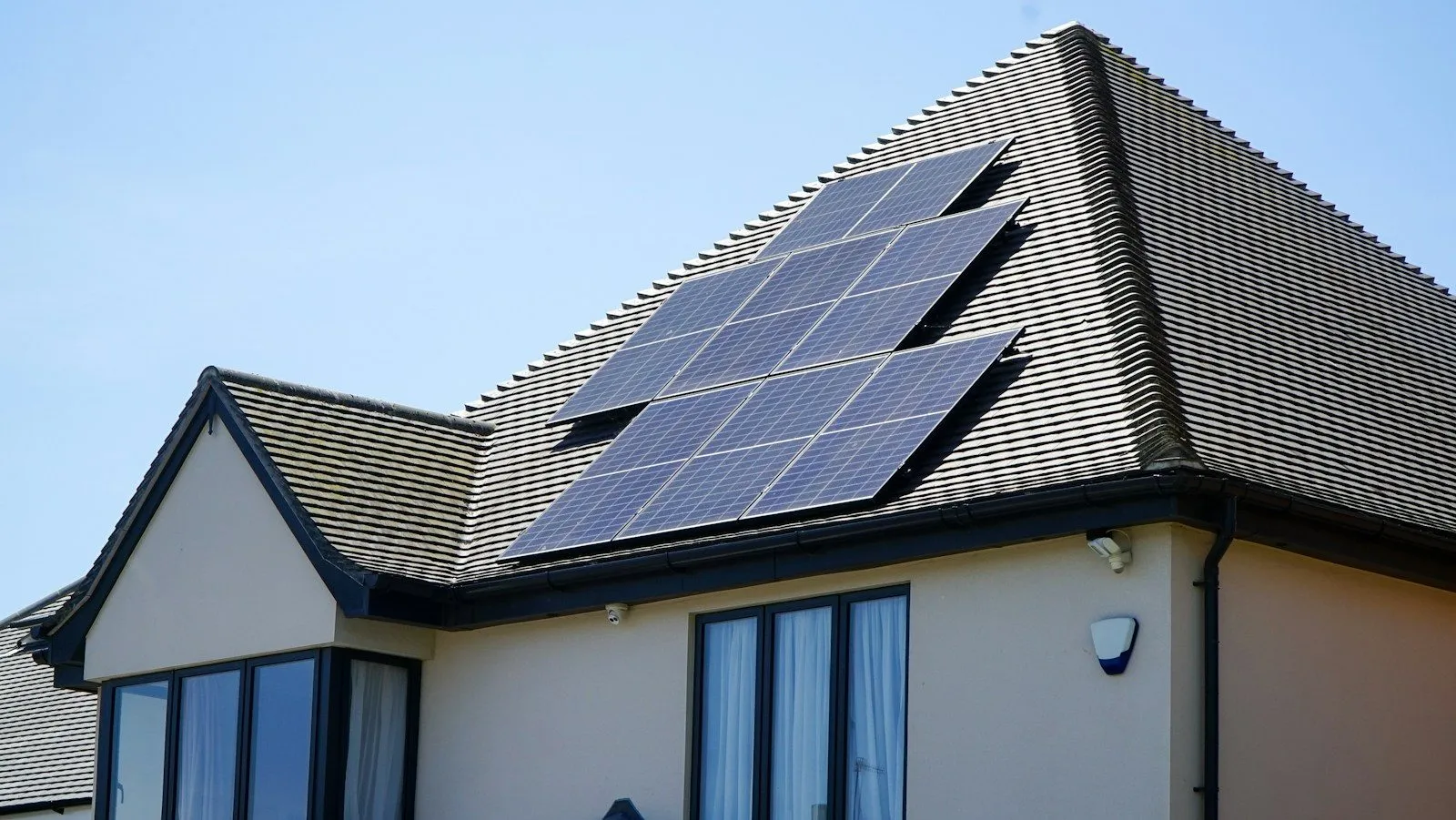
How does each one work?
Plug-in solar kit
Panels and a microinverter with a moulded plug. Under SI 2026/848 it must be “designed to operate in parallel with a distributor’s network”, with an AC output of no more than 800 W.
- The output goes into your home’s wiring, and whatever you’re using at that moment takes it first.
- It has no battery: kits with storage are outside the rules (IPS §1).
- It switches off when the grid is down (see power cuts).
Portable power station or solar generator
A battery, inverter and sockets in one box, often sold with a folding panel. You charge it from the mains, a car socket or a portable panel, then plug appliances into it.
It isn’t connected to feed the house, so it isn’t a plug-in microgenerator and isn’t covered by the plug-in solar rules.
Batteries that feed your sockets are not allowed
Some products combine the two: batteries designed to charge from a socket and feed power back into the home’s wiring. Those are “plug-in battery systems”, which the product specification excludes (IPS §1). Ofgem says plug-in electricity storage devices “remain prohibited from being sold, supplied, or used in the UK” (Ofgem). See batteries.
Side by side
| Plug-in solar kit | Solar generator / power station | |
|---|---|---|
| Main purpose | Cut your electricity bill | Portable and backup power |
| Connects to | A fixed wall socket, feeding the home’s wiring | Appliances plugged into the unit |
| Battery | None allowed | Yes, that’s the product |
| Works in a power cut | No | Yes, until the battery runs down |
| Works with no mains supply | No | Yes |
| Output limit | 800 W AC (SI 2026/848) | Set by the product, not by plug-in rules |
| ENA registration and DNO notification | Required | Not applicable |
| One per household | Yes (Ofgem, G98) | Not applicable |
| Portable | Mounted, but reversible (IPS §5.5.1) | Designed to be carried |
Which saves more money?
A plug-in kit, by a wide margin. Its output is used by whatever’s running in the house, without you doing anything.
- a year from our 0.88 kWp reference kit, London, south 35°
- 897 kWh
- used at home at medium daytime use
- 50%
- a year at 26.32p/kWh (Oct–Dec 2026 cap)
- £118
Figures are from PVGIS and the October–December 2026 GB average price cap. See is it worth it.
A power station only saves money when solar charges it and you then run things from it instead of the mains. That means moving appliances onto it by hand and keeping the panel in the sun.
Charging it from the mains and running things from it later saves nothing. Some energy is lost in every charge and discharge, so you use slightly more electricity.
Which is better in a power cut?
A power station. A plug-in kit is designed to stop feeding power when the grid goes down, and with no battery it can’t keep anything running.
A charged power station will run a fridge, router or lights for as long as its battery lasts. See power cuts.
What about a shed or allotment with no mains?
A plug-in kit is no use there. It needs a live socket on a grid-connected installation to run at all. A power station with a panel is the answer. See shed.
Can you have both?
Yes. The kit feeds the house wiring, and the power station powers what’s plugged into it.
You could charge the power station from a house socket while your plug-in kit is generating. Part of that charge would come from your own solar, but the charging and discharging losses still apply.
What to do next
- Compliant plug-in kits: in stock and kits, or use the kit finder.
- Standalone units: power stations and batteries. These are listed as standalone products, not as plug-in solar.